


Depression
Sometimes, it is just impossible to 'think positively'!
"The Blues" are not rare in our everyday life: loneliness, loss, emptiness, and more. But when they become so strong and your emotions become unnoticeable, there's a problem!
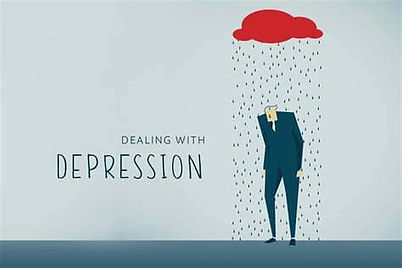
Depression is a mood disorder that causes a persistent feeling of sadness and loss of interest. It affects how you feel, think, and behave and can lead to a variety of emotional and physical problems.
Depression is not the same as being unhappy or in a blue mood. Neither is it a sign of personal weakness, nor an illness that can be willed or washed away by 'thinking positively'. Teens live with depression can merely pull themselves together and get better.
Possible Causes of Depression
-
Brain chemistry
Neurotransmitters are naturally occurring brain chemicals that carry signals to other parts of your brain and body. When these chemicals are abnormal or impaired, the function of nerve receptors and nerve systems changes, leading to depression.
-
Hormones
Changes in the body's balance of hormones may be involved in causing or triggering depression
-
Learned patterns of negative thinking
Teen depression may be linked to learning to feel helpless — rather than learning to feel capable of finding solutions for life's challenges.
-
No reasons
Feeling tired, exhausted – or nothing! This usually lasts more than two weeks and does not go away on its own. It’s much more than sadness or low mood.

Signs & Symptoms
There are two major changes if one suffers from depression.
Emotion Changes
-
Feelings of sadness, which can include crying spells for no apparent reason
-
Frustration or feelings of anger, even over small matters
-
Feeling hopeless or empty
-
Irritable or annoyed mood
-
Loss of interest or pleasure in usual activities
-
Loss of interest in, or conflict with, family and friends
-
Low self-esteem
-
Feelings of worthlessness or guilt
-
Fixation on past failures or exaggerated self-blame or self-criticism
-
Extreme sensitivity to rejection or failure, and the need for excessive reassurance
-
Trouble thinking, concentrating, making decisions and remembering things
-
Ongoing sense that life and the future are grim and bleak
-
Frequent thoughts of death, dying or suicide
Behavioural Changes
-
Tiredness and loss of energy
-
Insomnia or sleeping too much
-
Changes in appetite — decreased appetite and weight loss, or increased cravings for food and weight gain
-
Use of alcohol or drugs
-
Agitation or restlessness — for example, pacing, hand-wringing or an inability to sit still
-
Slowed thinking, speaking or body movements
-
Frequent complaints of unexplained body aches and headaches, which may include frequent visits to the school nurse
-
Social isolation
-
Poor school performance or frequent absences from school
-
Less attention to personal hygiene or appearance
-
Angry outbursts, disruptive or risky behaviour, or other acting-out behaviours
-
Self-harm — for example, cutting, burning, or excessive piercing or tattooing
-
Making a suicide plan or a suicide attempt
Depression = Sadness?
Even though both sadness and depression causes concentration, sleeping and mood-control problems, they are different. Sadness is a normal reaction to a loss, disappointment, problems, or other difficult situations. Feeling sad from time to time is just another part of being human. In these cases, feelings of sadness go away quickly and you can go about your daily life.
Sadness
-
The feelings of sorrow or unhappiness
-
A typical human emotion
-
Temporary
-
Often connected to a negative life change; happen in response to an event
-
Without suicidal thoughts; people still find hope in life to brighten the day
-
Affects one's ability to take care of themselves less
-
Allow people to go about their routines
-
Fade away with time and healthy lifestyle
Depression
-
The feelings of drained and/or loss of interest in life
-
A mental illness
-
Can be chronic in nature; usually requires assistance, medication and support
-
Could happen without any specific cause, event and/or genetic
-
Can be accompanied by suicidal idealisation
-
Dramatically impact one's energy, sleep, appetite and general well-being
-
Fade away with professional treatment, like therapy and/or medication

Treatment for Depression
Medications and psychological counselling (psychotherapy) are very effective for most people with depression.
Medication: Antidepressant Medicines
Today, selective serotonin reuptake inhibitors (SSRIs) are frequently prescribed for depression — with Prozac (fluoxetine), Paxil (paroxetine), Zoloft (sertraline), and Luvox (fluvoxamine) being the most commonly prescribed brand names.
Psychotherapy: help teens to (1) change their distorted views of themselves and the environment, (2) find stressors, and (3) teach teens ways to stay away from the identified depressive source. The most common ones include:
-
Interpersonal therapy (IPT) addresses an individual’s social relationships, and how to improve them.
-
Cognitive-behavioural therapy (CBT) is the most popular and commonly-used therapy for depression. CBT focuses on changing negative or distorted thoughts and behaviours that perpetuate your depression.
Your therapist will help you identify these thoughts (e.g., “I am worthless,” “I can’t do anything right,” “I’ll never feel better,” “This situation will never improve”), and replace them with more realistic thoughts that support your well-being and your goals.
-
Problem-solving therapy (PST) helps individuals with depression learn to cope effectively with stressful problems in their daily lives. People with depression might view problems as threats and believe they’re incapable of solving them.
Your therapist will help you define the problem, brainstorm alternative realistic solutions, select a helpful solution, and implement that strategy and evaluate it.
Therapies regarding your environment
-
Family therapy. When your depression is directly affecting family dynamics or the health of significant relationships, this is needed. Such therapy focuses on the interpersonal relationships among family members and seeks to ensure that communications are clear and without double (hidden) meanings. Also examined are the roles various family members play in reinforcing your depression.
-
School input is important for everyone to receive education regarding depression and where to seek for help.

Common Types of Depression in Teens
There are 3 major types of depression:
-
Major Depression (clinical depression)
The classic depression type. Major depression is when dark mood overwhelmingly drowns you, leading to the loss of interest in things you previously enjoy. Symptoms, as listed above, include sleeping problems, change in appetite, lack of energy and feeling worthless. Suicidal thoughts may occur. For the ones living with its severe impacts could need electroconvulsive therapy to help life the distress.
-
Bipolar Depression (manic depression)
Episodes of depression. Patients go through periods of unusually high ups, the manics. Be aware! Its symptoms look like the opposite of depression: grandiose ideas, unrealistically high self-esteem, decreased need for sleep, thoughts and activity at higher speed, and ramped-up pursuit of pleasure including sex sprees, overspending, and risk taking. This, however, does not last long and can lead to depression such as self-destructive behaviours. The use of medication can help stabilise one's mood shift, which is quite different from other depression disorders.
-
Persistent Depressive Disorder (dysthymia)
Low mood that has lasted for at least two years but may not reach the intensity of major depression. Many people with this disorder can carry out normal routines, functioning day to day but feel low or joyless much of the time. This makes it hard to be distinguished from normal sadness. Other symptoms include appetite, weight and sleep change, low energy, low self-esteem, or hopelessness.
Some may also experience Seasonal Affective Disorder (SAD), which, as its name suggests, causes seasonal mood changes because of shorter days in winters and falls. This could lead to alterations in the body's natural daily function, such as brain chemistry, light sensitivity, or hormones.
* words shown in brackets are their former names that were once commonly used but changed for now
Tips to Deal with Depression: Small steps, big impact
-
Accept the diagnosis, meeting yourself where you are. Depression is common. It affects millions of people, including some in your life. The key to recover is to be open, accepting and loving towards yourself and what you are going through.
-
Wallow; let go your emotions! Suppressing your feelings is nothing but an unhealthy act to both your mind and body. Consider writing or journaling to record how you feel – a process of self-healing.
-
Adapt a healthy lifestyle. As cliché as this sounds, a healthy daily routine and habits do help. This includes:
• Eat healthy. Fuel your body with comforting food instead of sugar, preservatives, and processed foods.
• Get enough sleep; aim for 8 hours of sleep per night. Going to bed and waking up at the same time every day can help you with your daily schedule.
• Meditation: learn stress relieve techniques
• Create a routine
• Use time wisely; spend time with your loved ones or in nature can help improve mental health
• Exercise. If you are not up for exercise, try a gentle stroll around the block. Research suggests that exercise can be as effective as medication at relieving depression symptoms. It may also help prevent future depressive episodes. -
Set attainable goals and rewards your efforts. Jolt small things down onto a to-do list. Don't be put off by its length – it is meant to be lengthy. Once you tick off the box, celebrate it. All goals are worthy of recognition, and all successes are worthy of celebration. When you achieve a goal, do your best to recognise it. This can be a very powerful weapon against negative weight.
-
Seek for help. Give others a chance to help you go through it! You are not alone.